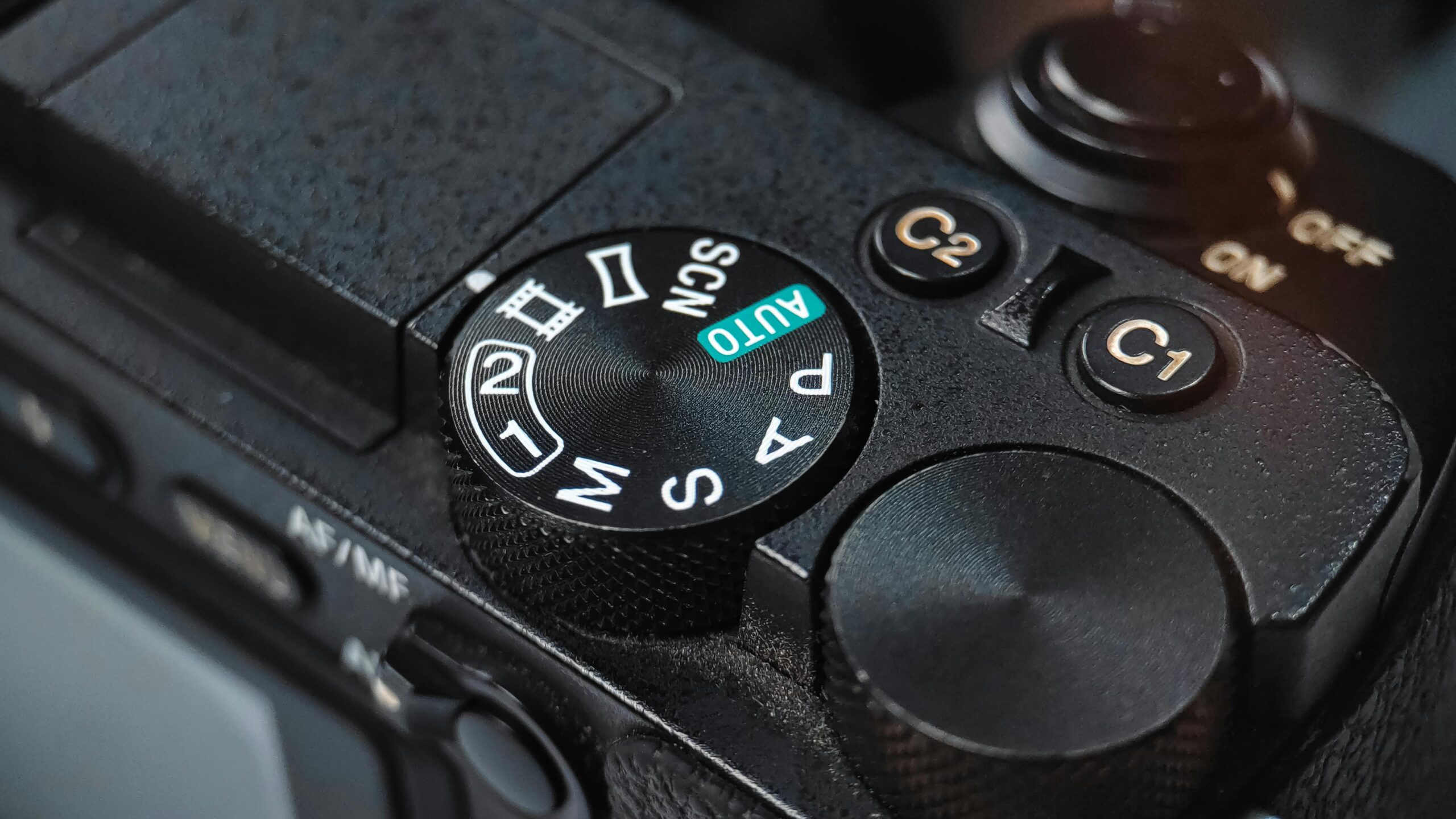
I dropped my favorite mirrorless camera into a muddy puddle last month. It broke right before a paid weekend gig. Panicking, I had to borrow a newer model from a friend just to survive the shoot. 12 Camera Trends Changing How We Shoot Right Now,That frantic weekend changed how I view gear completely.
Handling that fresh hardware made me realize how fast camera tech is shifting. Features we only dreamed about a couple of years ago are sitting in our hands today. 12 Camera Trends Changing How We Shoot Right Now,If you are trying to figure out what is happening in the camera world this year, you came to the right place.
Let us look at twelve major shifts happening in photography and video gear. These are not boring specs on a paper sheet. These are actual changes affecting how we shoot every single day.
1. AI Autofocus That Reads Your Mind
Remember when we used to stress about missing focus on a moving subject? Those days are almost gone. Modern autofocus systems do not just track faces anymore. They track eyes, helmets, animal whiskers, and even car wheels.
When I tested the latest tracking modes last week, I tried to trick the camera by walking behind a tree. The system locked right back onto my face the second I reappeared. It feels like magic, but it is just smart machine learning running inside small processors.
2. Cloud-to-Camera Direct Uploads
We are finally moving past the era of taking out memory cards and plugging them into a laptop. New cameras come with built-in Wi-Fi 6 and 5G connections. You can shoot a portrait and have it sync to your cloud folder before you even lower the camera from your eye.
This is a huge win for event shooters and sports photographers. You can send JPEGs straight to your client while still standing on the sidelines. If you hate editing late at night, this feature will save your sanity. 12 Camera Trends Changing How We Shoot Right Now,
3. Content Authenticity Chips
Fake photos are everywhere now. 12 Camera Trends Changing How We Shoot Right Now,To fight this, major camera brands are putting cryptographic signature chips inside new bodies. These chips sign your image the exact second you press the shutter button.

Journalists and documentary makers love this trend. It proves your photo was captured by a real sensor and was not generated by a computer. Expect to see this built into even more consumer cameras soon.
4. Global Shutters Going Mainstream
Rolling shutters used to ruin fast-moving video. If you panned too quickly, vertical lines would look tilted like jelly. Global shutters expose the entire sensor all at once, fixing this problem completely.
While this tech used to cost a small fortune, 12 Camera Trends Changing How We Shoot Right Now, it is finally showing up in mid-range bodies. You can now wave your hand fast in front of the lens on a budget camera and see zero distortion. It is a massive upgrade for action sports creators.
5. Open-Gate Sensor Shooting
Vertical video is not going away. Instead of turning your camera sideways and cropping your image, new sensors use open-gate recording. This means the sensor records using the full tall area of the chip.
You can crop your final video into a horizontal YouTube clip or a vertical phone screen from the exact same file. 12 Camera Trends Changing How We Shoot Right Now, I used this trick on a recent client shoot, and it cut my editing time in half because I stopped worrying about framing the wrong aspect ratio.
6. Built-in Cooling Fans in Small Bodies
Shooting long 4K clips used to make mirrorless cameras overheat and shut down mid-interview. I ruined a whole birthday speech recording two years ago because my gear got too hot.
Camera makers finally added tiny, quiet cooling fans inside normal-sized bodies. You can record all day in warm weather without your camera throwing a thermal warning. It makes hybrid shooting actually reliable.
7. Spatial Video and 3D Capture
Virtual reality headsets and mixed-reality glasses changed what we want from our memories. Cameras are adding dual lenses or special side-by-side modes to record spatial videos that you can view in full 3D later.
Even if you do not own a headset right now, recording family moments in spatial format means you will have those immersive memories ready for the future. It is a fun trend that turns flat video into something you can step back inside.
8. Computational Raw Formats
Phones have been doing smart multi-frame stacking for years to capture dark shadows and bright skies at the same time. Now, real cameras are adopting these smart algorithms.
Instead of taking one exposure, the camera takes a quick burst and blends them instantly inside the body. You get a raw file with crazy dynamic range without needing to stack bracketed shots on your computer later.
9. Modular Body Designs
Buying a massive cinema rig used to mean you were stuck with a heavy brick of metal. Modern gear is moving toward modular builds where you can strip the camera down to a tiny cube for a drone, or build it up with a top handle and massive battery.
This flexibility saves money. You do not need three different cameras for three different jobs. You just change the cage and the lens mount.
10. Universal USB-C Power Delivery
Proprietary chargers are finally dying out. Almost every new camera uses USB-C ports that accept standard power banks. I stopped carrying bulky wall chargers on trips last year.
If my battery drops during a long hike, I plug my pocket power bank right into the side of the camera while it sits on the tripod. It keeps shooting without missing a beat.
11. Smart Lens Communication
Lenses are getting smarter with their internal motors and data chips. They talk to the camera body faster than ever, adjusting for focus breathing and lens distortion in real-time.
When you twist a modern lens onto a new body, the camera applies custom color and sharpness profiles automatically. It makes third-party glass perform almost as well as first-party options.
12. Eco-Friendly Materials and Repairability
We produce a lot of electronic waste. Brands are finally responding by using recycled plastics and bio-resins in their outer shells. Some companies are even selling modular replacement parts directly to users.
If you break a screen hinge now, you might actually be able to order the part and fix it at home instead of throwing the whole camera away. That is a trend I can fully support.
How to Choose Your Next Gear Upgrade
Do not run out and buy a brand-new camera just because it has cool marketing buzzwords attached to it. Look at your actual workflow. If your current camera overheats, look for a model with a built-in fan. If you hate color grading, look for better native color profiles.
Sometimes, spending money on a new lens or a simple lighting kit teaches you more than buying a fresh camera body. Take your time, rent gear before you buy, and see what actually solves your creative bottlenecks.
Just like my muddy puddle mishap taught me, the best camera is always the one you know how to use when things go wrong. Keep shooting, experiment with new styles, and do not let gear FOMO stop you from making cool stuff.
Cameras and Mind-Reading Technology: FAQ
Part 1: Cameras
1. Which is the No. 1 camera brand?
Canon, by sales volume. Nikkei’s report on 2025 shipments put Canon first at 4.5 million units and a 45.7% share, with Sony second at 24.6%. Fujifilm moved past Nikon into third place. That report only covers Japanese brands, so it leaves out GoPro, Insta360, Leica, and others.
“Number one” also depends on the category:
- Mirrorless: Sony led Japan’s mirrorless sales in 2025 with 29.9%, with Canon close behind at 27.4%.
- Action cameras: DJI took the top spot in Japan, while GoPro’s share fell from 34.3% to 18.9%.
2. Which is the newest 360 camera?
As of October 2026, the newest releases are the Insta360 X6 and the DJI Osmo 360 II. The X6 arrived on August 12, 2026 with dual 1/1.1-inch Sony sensors, 8K at 50fps, and in-camera Dolby Vision, priced at $699.99. DJI answered a day later with the Osmo 360 II, which was not offered on the US storefront. In Europe, the Osmo 360 II had no price or date at the time of that article. The older Insta360 X5 and the original DJI Osmo 360 are still sold, often at lower prices.
3. What is the latest technology in cameras?
These are the main trends right now:
- Larger sensors in small cameras. Compact 360 and action cameras now use 1-inch-class sensors for better low-light video.
- High-resolution 360 video. 8K 360 recording is becoming standard on premium models.
- AI features. These include subject tracking, automatic editing, noise reduction, and object removal.
- Dual-camera pocket vlogging cameras with a second screen, such as DJI’s Osmo Pocket line.
- 360 drones and 3D capture. One example is a 360 drone flight turned into an explorable 3D Gaussian Splatting model.
- Mirrorless dominance. DSLRs are fading, and new bodies focus on fast autofocus, global shutters, and strong video.
4. What is the latest type of camera?
The newest categories are 360-degree cameras, dual-lens pocket gimbal cameras, 360 drones, and AI-assisted mirrorless cameras. Mirrorless is now the mainstream choice for photographers, while 360 and pocket cameras are growing among vloggers and creators.
Part 2: Mind-Reading Technology
5. Does wireless mind-reading technology exist?
No. No device can read your thoughts from a distance or without your cooperation. Real brain-decoding research has real limits:
- Brain scanners (fMRI) can reconstruct the rough meaning of thoughts, but only in a lab, after hours of training on one person, and only while that person cooperates.
- Implanted brain-computer interfaces can turn attempted speech or movement into text or cursor control, mainly to help paralyzed patients. They require surgery.
- Consumer EEG headsets only measure broad brain activity such as focus or relaxation. They cannot read specific thoughts.
6. What is an AI brain decoder?
It is a research system that matches brain activity, usually from fMRI or implanted electrodes, to words, images, or movements. It is trained on one individual’s brain, and it doesn’t work on a different person or without a scanner. It is not a portable device or an app.
7. Is there an AI mind-reading app or device, online or free?
Apps and websites that claim to read your mind are entertainment. They are number-guessing tricks, personality quizzes, or chatbots predicting your answers from what you type. No phone app or website can detect your thoughts. Be cautious about any “mind-reading device” sold online, because these are usually scams or ordinary EEG gadgets with exaggerated marketing.
8. What is the best wireless mind-reading technology?
For research and medical use, the leading technologies are implanted brain-computer interfaces from groups such as Neuralink, Synchron, and university labs. They are not wireless mind-reading in the sci-fi sense. They are medical devices that decode intended movement or speech from a surgically implanted sensor. For non-medical use, EEG headbands are the only widely available option, and they measure general brain states, not thoughts.
9. How do I block mind-reading technology?
Because no technology can read thoughts remotely, there is nothing that needs blocking. What you can protect is neural and personal data if you use a brain-sensing product:
- Check what data a headset or app collects and where it is stored.
- Read the privacy policy, and only buy from reputable makers.
- Know that some places, including Chile, Colorado, and California, have started adding legal protections for neural data.
If you ever feel that someone is reading or controlling your thoughts, that is a real and distressing experience, and it can be treated. A doctor or mental health professional is the right person to talk to. They can help you sort out what is happening, and it is nothing to be embarrassed about.
Would you like these as a Word document or a web-ready page?